
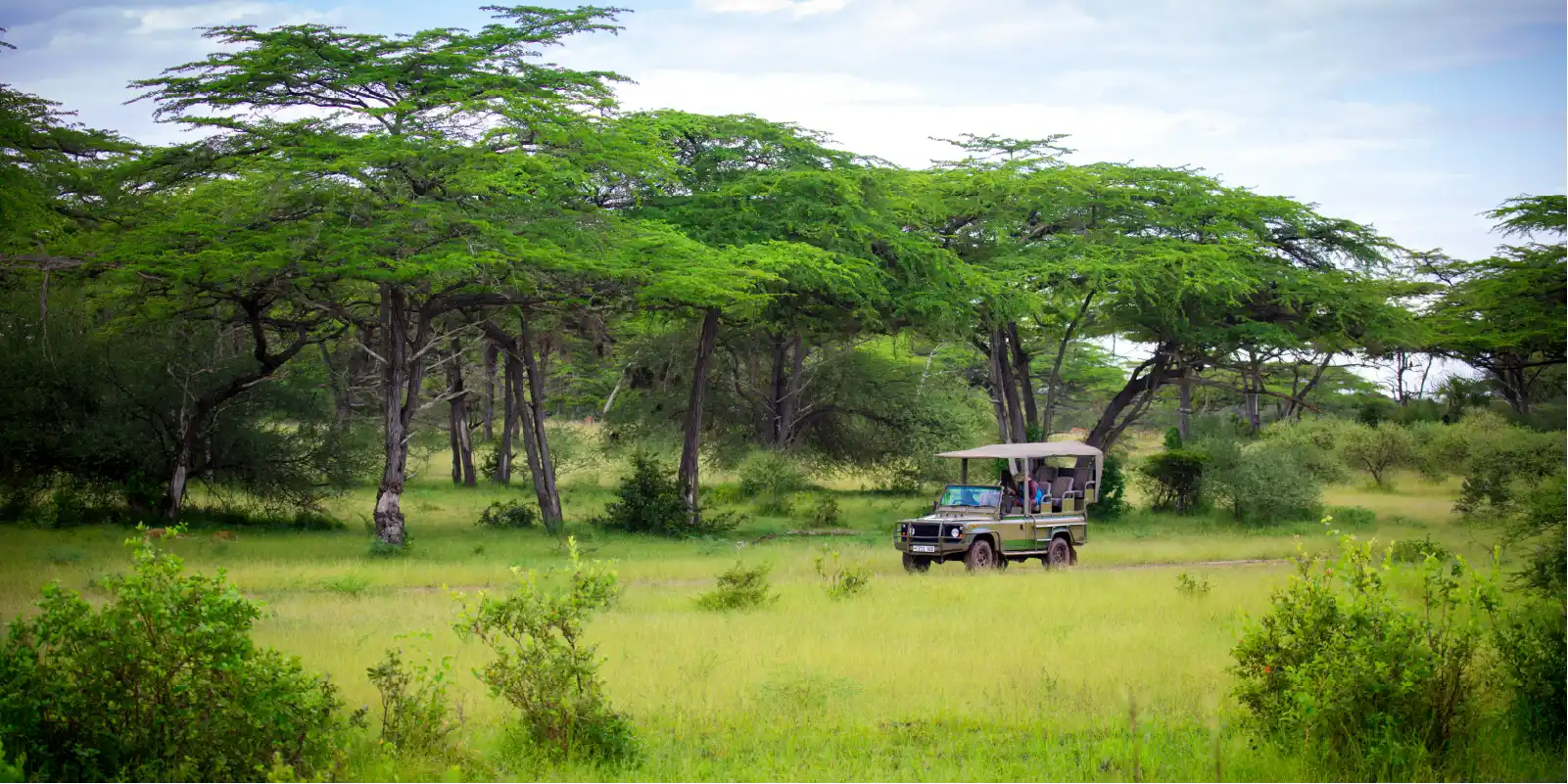
Eco-Tourism in Tanzania: Sustainable Safari
Eco tourism in Tanzania is more than a travel trend—it’s a movement rooted in protecting nature, empowering communities, and exploring responsibly.
Eco tourism in Tanzania is more than a travel trend—it’s a movement rooted in protecting nature, empowering communities, and exploring responsibly. From untouched wilderness to cultural encounters with the Maasai and Hadzabe, Tanzania offers a chance to experience Africa’s most stunning landscapes while preserving them for future generations.
In this guide, we’ll explore what makes Tanzania one of the best destinations for eco-tourism, highlight top ethical lodges and tours, and show how your safari can support local conservation and livelihoods. Visit our related package
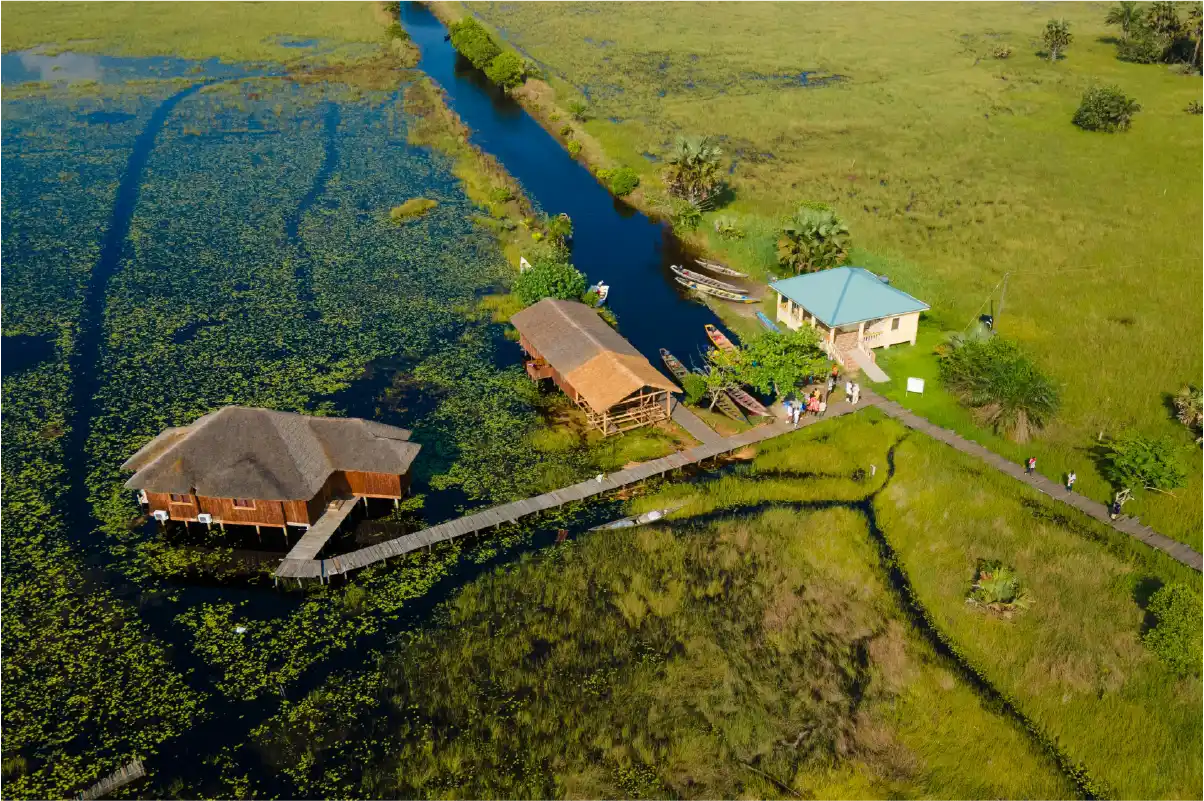
Low-impact eco-camp set on the Serengeti plains—solar-powered and designed to blend with nature.
Aerial view of a solar-powered eco-camp in Serengeti National Park, ideal for eco-tourism and sustainable safaris in Tanzania.
What Is Eco-Tourism in Tanzania?
Eco-tourism refers to responsible travel that conserves the environment, sustains the well-being of local people, and involves education and interpretation. In Tanzania, eco-tourism intertwines with wildlife conservation, community empowerment, and low-impact safaris across national parks like Serengeti, Tarangire, and Ruaha.
Tanzania’s national parks and conservation areas are teeming with biodiversity—but they also face threats from poaching, habitat loss, and over-tourism. Eco-tourism offers a sustainable solution, where visitors help protect the very places they explore. Visit our related package
Why Choose an Eco-Safari in Tanzania?
- Support Wildlife Conservation – Entry fees and eco-lodges fund protected areas.
- Empower Local Communities – Many eco-lodges are community-owned or hire locally.
- Reduce Your Environmental Impact – Solar-powered camps, zero-waste lodges, and limited group sizes keep your footprint small.
- Gain a Deeper Connection – Cultural visits, guided nature walks, and community projects enrich your experience.
You’re not just passing through—you’re participating in sustainable development. Visit our related package.
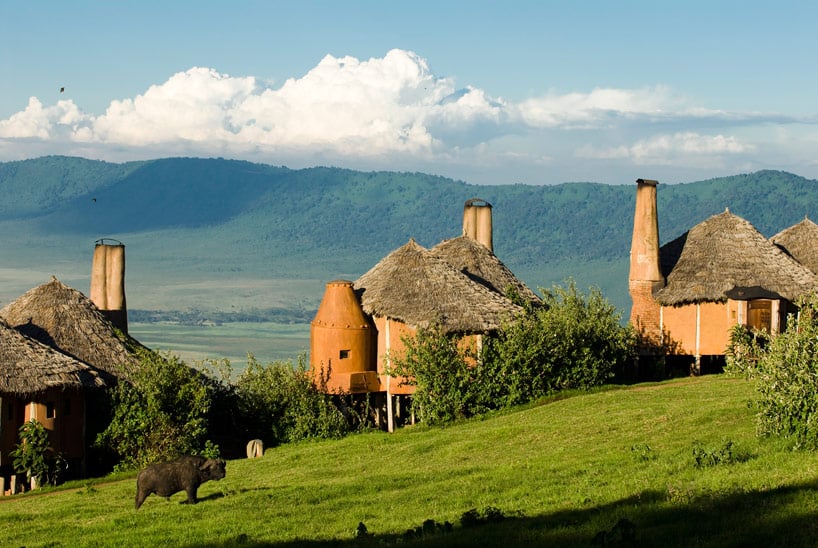
Ngorongoro crater lodge
Eco-friendly lodge overlooking the Ngorongoro Crater rim—solar power, water stewardship, and community partnerships.
Top Eco-Friendly Destinations in Tanzania
1. Serengeti National Park
Known for the Great Migration, the Serengeti is home to several low-impact luxury camps such as Singita and Dunia Camp by Asilia, which run on solar power and partner with anti-poaching units.
2. Ngorongoro Conservation Area
This UNESCO site integrates human life with wildlife. Cultural eco-tours with Maasai tribes are a highlight. Some lodges support local schools and health clinics.
3. Tarangire & Lake Manyara
These quieter parks boast diverse landscapes and are ideal for walking safaris and birdwatching. Many eco-lodges here promote permaculture and rainwater harvesting.
4. Ruaha & Selous (Nyerere)
Perfect for off-the-beaten-path eco safaris, these southern parks have small eco-camps with excellent community engagement.

Marine conservation at Chumbe Island—reef-safe tourism in Zanzibar.
Snorkeler above protected coral reefs at Chumbe Island, Zanzibar—showcasing eco-tourism and sustainable marine conservation.
Ethical Safari Lodges That Lead the Way
Some of the top eco-lodges in Tanzania include:
- Chem Chem Safari Lodge – Community-focused, supports education & wildlife corridors.
- Asilia Africa Camps – Carbon neutral, empower women guides, support local farming.
- Nomad Tanzania – Plastic-free safaris, source locally, train Tanzanian staff from scratch.
- Chumbe Island (Zanzibar) – 100% eco-resort supporting coral reef conservation.
By choosing these, you’re staying with brands that care about sustainability, conservation, and fair employment. Visit the related package.

a couple enjoying bonfire with a guitar beside a tent in a Tanzania budget safari
Evenings at an eco-camp in Northern Tanzania—low-light, low-impact campfires and plastic-free practices.
How Eco-Tourism Supports Conservation
- Funds Anti-Poaching Patrols
- Creates Jobs That Replace Poaching Income
- Educates Visitors on Ecosystem Importance
- Builds Local Support for Wildlife Protection
When travellers book with responsible operators, they contribute to long-term preservation. Even a short eco-safari can help keep rhinos, elephants, and big cats alive and thriving.
Tips for Travelling Responsibly in Tanzania
- ✔️ Choose a safari operator that is locally owned or community-integrated
- ✔️ Bring reusable items (water bottles, bags)
- ✔️ Ask lodges about their energy and waste management
- ✔️ Respect cultural customs and support local artisans
- ✔️ Limit wildlife disturbance—no off-tracking or feeding
Your decisions as a traveller matter.
Combining Eco-Tourism with Cultural Travel
Eco-tourism and culture go hand in hand in Tanzania. Try combining your safari with:
- A visit to a Maasai village that shares income from tourism
- Trekking with the Hadzabe bushmen, one of Africa’s last hunter-gatherer tribes
- Cooking classes, traditional dance evenings, and visits to women-led craft cooperatives
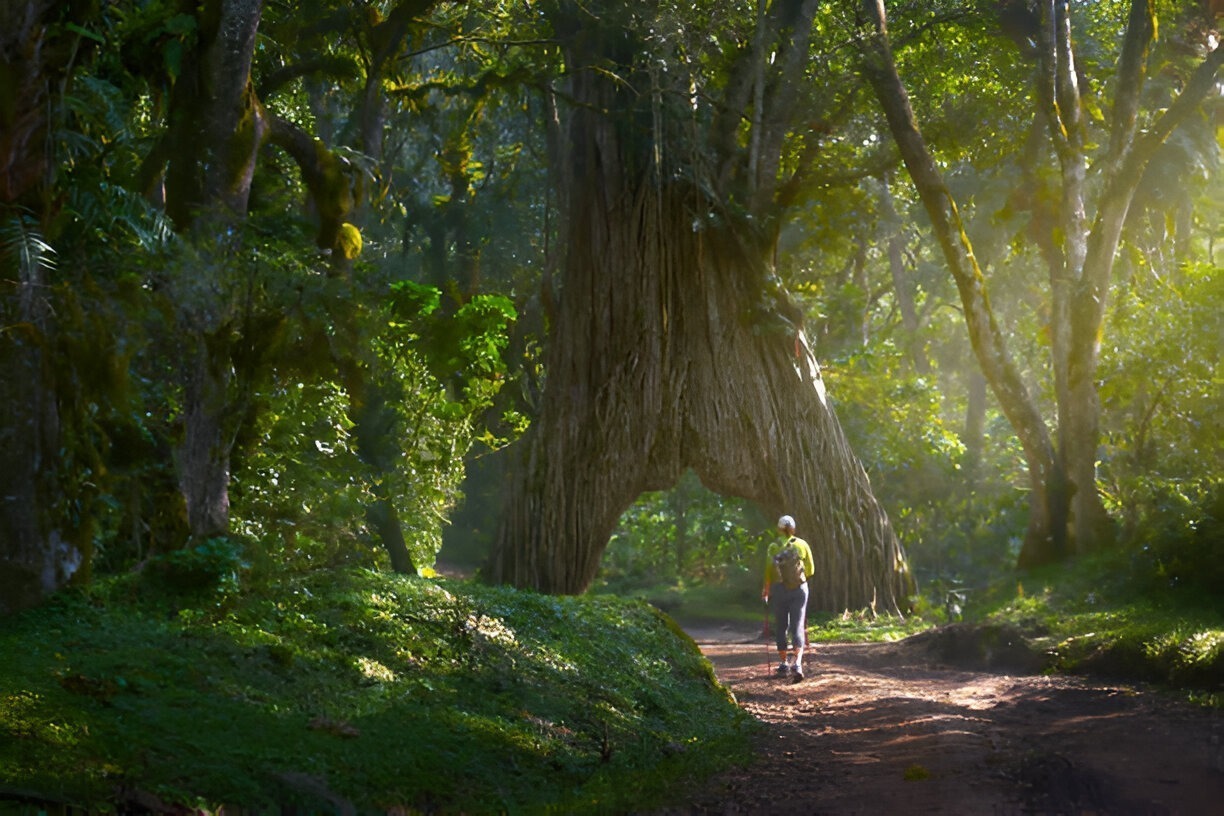
Tourist walking towards Arusha National Park via Mti wa Kutoboka, Tanzania, with scenic views.
Eco-friendly walking trail near Arusha—guided nature walks reduce vehicle use and support low-impact tourism.
Want to Book an Eco Safari in Tanzania?
Maramatta Safaris offers curated eco-tourism safari packages that balance comfort, cultural immersion, and conservation. Whether it’s a 7-day community-led Serengeti safari, or a beach and reef protection tour in Zanzibar, we tailor your trip for purpose-driven travel.
Start Planning