
Travel Sustainably & Responsibly
Learn how eco-tourism in Tanzania lets you enjoy epic wildlife, culture, and landscapes—while protecting them and uplifting communities.
When you choose eco-tourism in Tanzania, you're embracing a form of travel that values conservation, community, and responsible adventure. Whether you're trekking gorillas, climbing Kilimanjaro, or relaxing on Zanzibar’s beaches, you can do it in a way that respects nature, supports locals, and leaves a positive footprint.
1. What Is Eco-Tourism & Why It Matters
Eco-tourism is about mindful travel that benefits ecosystems and the people who live in them. In Tanzania, this means:
- Protecting wildlife and habitats through conservation-focused lodges.
- Empowering communities by staying with local-owned operators.
- Reducing environmental impact via solar-powered camps and walking safaris.
- Respecting cultural traditions with ethical interactions.
2. Eco-Friendly Safari Options in Tanzania
Serengeti National Park
Stay at solar-powered camps like Singita or & Beyond—participate in walking or photographic safaris that tread lightly on the ecosystem.
Ngorongoro Conservation Area
Opt for off-peak visits and community-run lodges that reinvest in conservation and locals.
Southern Parks: Ruaha & Selous
Explore the remote and less-touristy Ruaha and Selous, with lodges like Jabali Ridge and Siwandu, focusing on solar power and anti-poaching efforts.

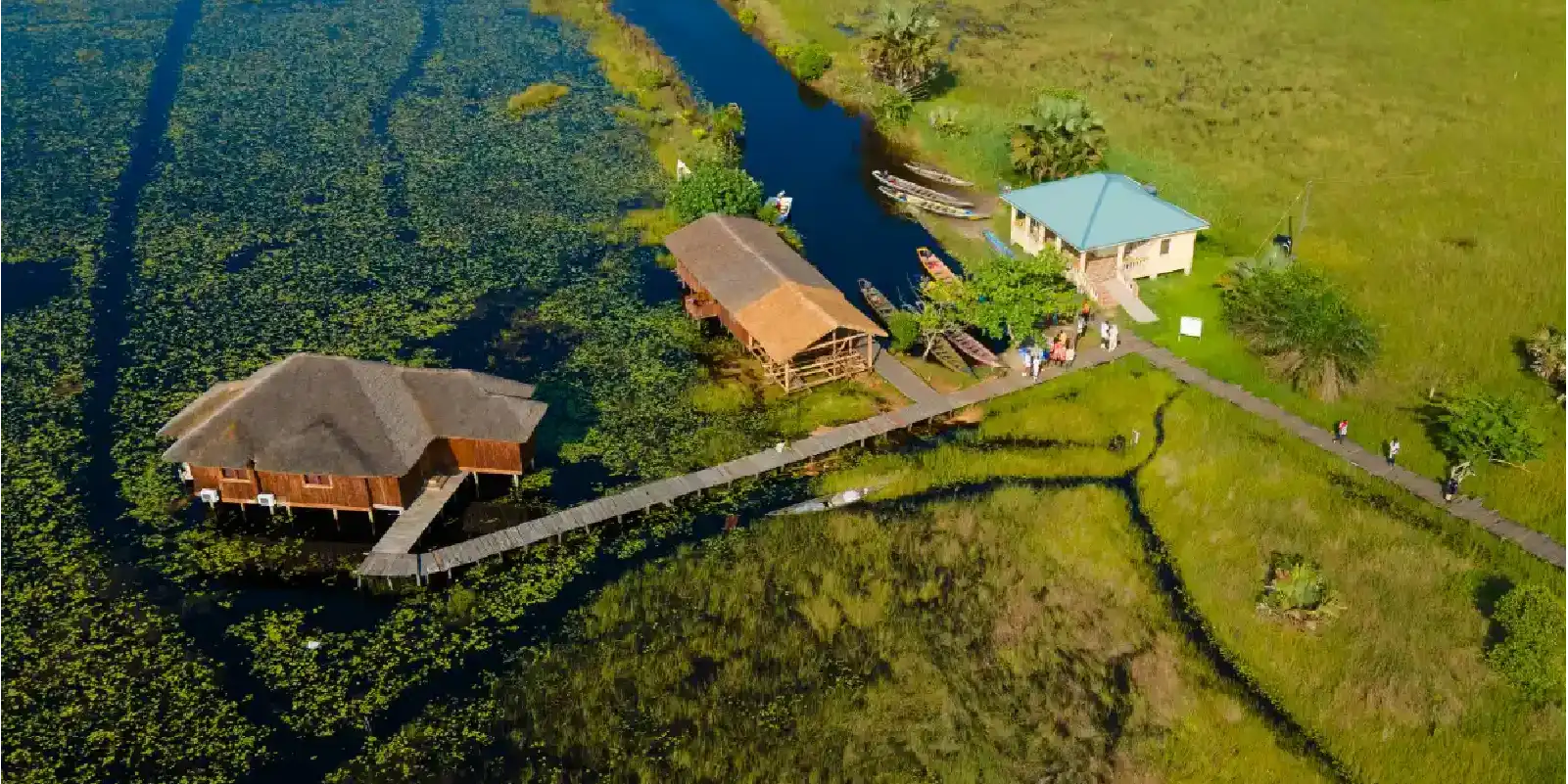
Chumbe Island eco-lodge – solar-powered and coral reef conservation at its best.
A fully sustainable eco-lodge on Chumbe Island, Zanzibar, offering reef protection and zero-impact accommodation.
3. Best Eco-Friendly Accommodations in Tanzania
- Gibb’s Farm – Organic farm experience near Ngorongoro.
- Chumbe Island Coral Park – Marine conservation eco-lodge in Zanzibar.
- Sayari Camp, Chem Chem, Rhotia Valley Lodge – Solar-powered, community-based accommodations across the Serengeti and Karatu.
4. How to Be a Responsible Traveler in Tanzania
- Use refillable water bottles, avoid single-use plastics.
- Support eco-certified operators with transparent conservation practices.
- Follow ethical wildlife guidelines: keep distance, stay on trails.
- Respect cultures—buy artisan crafts and engage with communities authentically.
5. Combining Eco-Tourism with Cultural Travel
Eco-tourism shines when paired with culture. Visit Maasai villages, meet Hadzabe hunter-gatherers, and support women-led artisan cooperatives in a way that’s respectful and empowering.
6. Best Time for an Eco-Tourism Trip to Tanzania
Visit during the dry season (June–October) for classic wildlife-viewing, or come in the green shoulder seasons (November–March) for quieter wildlife encounters and lush landscapes—both excellent for sustainable travel.
7. How to Be a Responsible Traveler in Tanzania
- Choose Certified Eco Operators: Stay with lodges or book tours accredited by EcoTourism Tanzania or Travelife to ensure they meet high environmental and social standards.
- Go Off-Peak for Impact Reduction: Travel during shoulder seasons (November–December or March) to reduce pressure on wildlife habitats while supporting year-round local employment.
- Offset Your Carbon Footprint: Fly with airlines that offer carbon offset programs or contribute directly to Tanzanian reforestation initiatives like Trees for Tourism.
- Practice Ethical Photography: Never bait or disturb wildlife for photos, avoid flash, and respect animals’ natural behaviours for authentic safari memories.
- Engage with Local Artisans: Support community-led co-ops by buying authentic Maasai beadwork, Chaga coffee, or Hadzabe crafts instead of imported souvenirs.
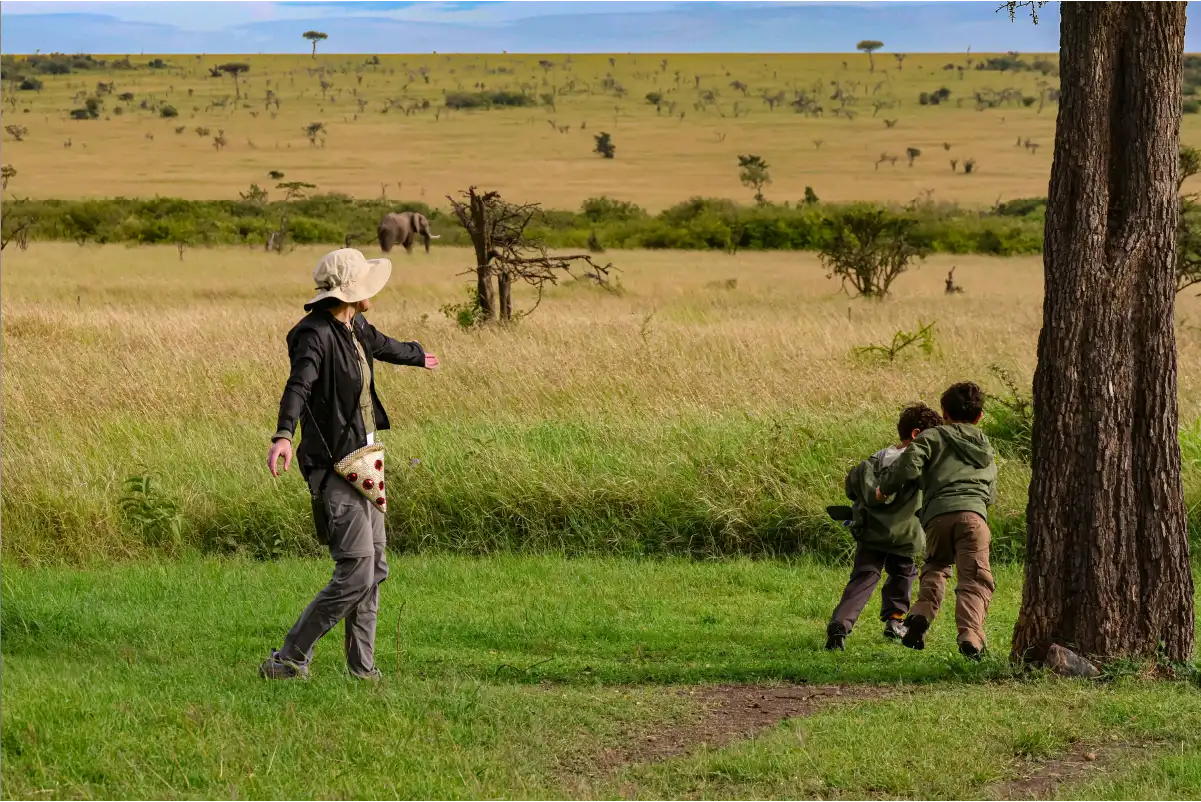
A responsible eco-tourist enjoying a low-impact walking safari in Tanzania — a sustainable way to explore while protecting wildlife and supporting conservation.
8. Eco-Tourism Safari Planning Tips
- Mix High & Low Impact Activities: Balance vehicle game drives with walking safaris, canoe trips, or cycling tours around Lake Manyara.
- Stay Longer, Travel Slower: Spend 2–3 nights in fewer destinations to cut down on fuel use and create deeper connections with each place.
- Support Community Conservancies: Visit Randilen Wildlife Management Area or Ikona Wildlife Management Area, where entrance fees directly benefit local communities.
- Pack Eco-Friendly Gear: Bring reef-safe sunscreen, biodegradable toiletries, and neutral-coloured clothing to minimise impact.
- Embrace Digital Detox: Limit device charging, use solar-powered lodges when possible, and enjoy starlit evenings instead of generator-heavy camps.
Ready to Travel Sustainably in Tanzania?
Let Maramatta Safaris help plan your eco-tourism itinerary with reputable lodges, conservation efforts, and cultural experiences that make a positive impact.
Plan My Eco Safari